
Three Weeks Live on MegaETH Mainnet


Ubitel launched on MegaETH mainnet three weeks ago. A fully functioning eSIM protocol with every transaction settled onchain. Not a testnet demo. Not a waitlist. Users across 66 countries bought connectivity plans and got online.
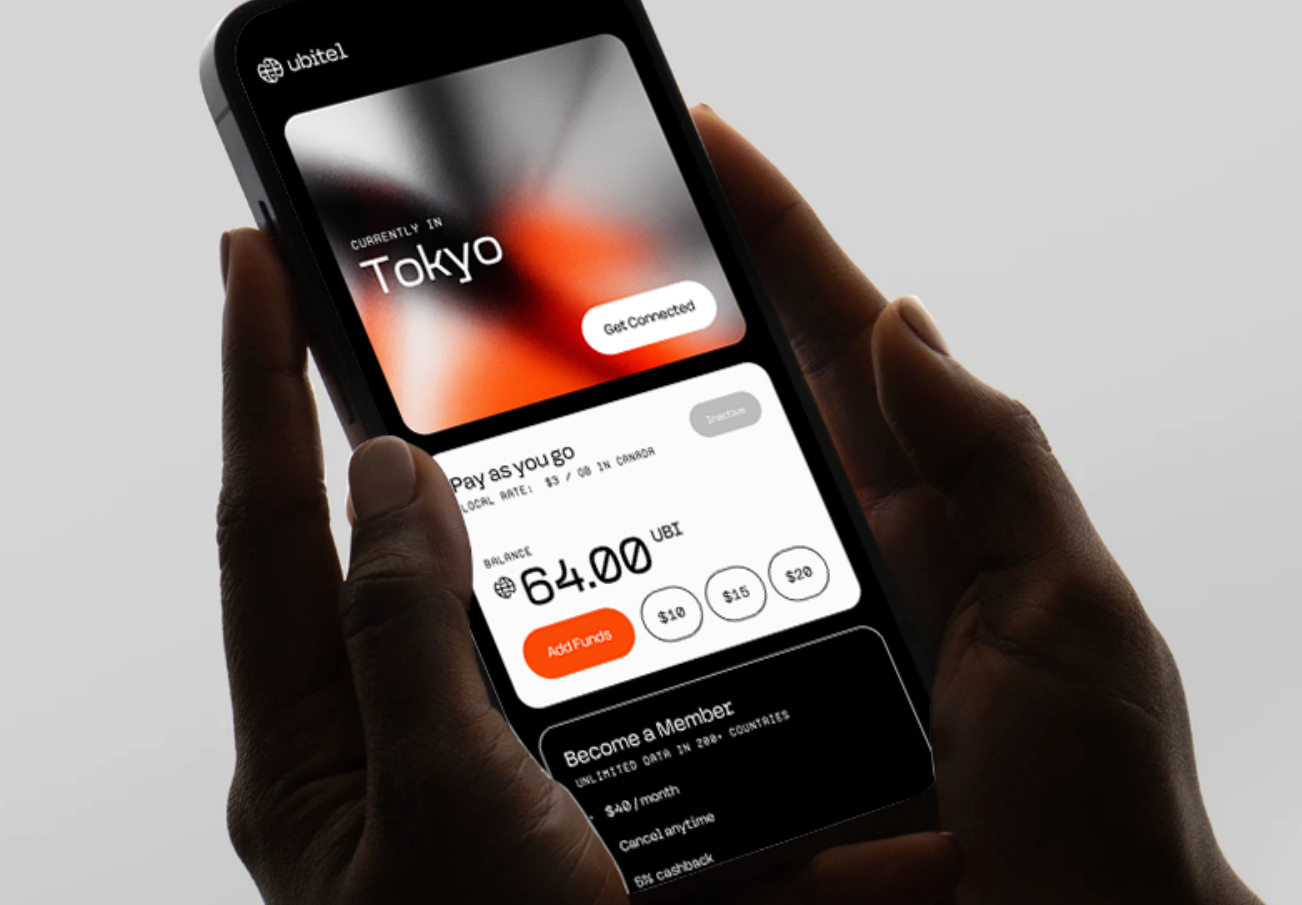
Here's the thing most DePIN projects won't say out loud: almost none of them work for normal people. Ubitel does. A traveler landing in Tokyo can buy a data plan with a credit card and be connected before they leave the airport. The transaction settles onchain in the background. The user doesn't need a wallet, doesn't need to bridge anything, doesn't need to care. They just need internet.
That's the bar we set for ourselves, and three weeks of live traffic confirmed we can clear it.
What we learned by actually shipping
Two weeks of real users will teach you more than six months of planning.
The activation flow had too much friction. Some users got stuck between purchase and installation. Not a death sentence, but not acceptable either. We've already shipped fixes and we're still tightening every step between checkout and connected.
Reward-seekers showed up before real users did. This is the oldest pattern in DePIN and pretending it won't happen to you is a losing strategy. We saw users more focused on earning than on using actual connectivity. We're redesigning the reward structure now so it reflects genuine data usage, not just purchase activity. Getting incentive design right early is one of the highest-leverage problems in this space, and we're not going to hand-wave past it.
The product today is already different from launch day. We're iterating in public, shipping fast, and letting real usage data drive decisions.
What's next
Native iOS and Android apps are the top priority. Smoother eSIM activation, better onboarding for first-time users, and the foundation for referral programs and usage-based rewards. The web experience works. The native experience will be where Ubitel starts to feel effortless.
TEEPOTs
95 people have already joined the waitlist to host a TEEPOT, Ubitel's decentralized hardware node powered by trusted execution environments (TEEs).
For the uninitiated: TEEs are secure processing environments that verify computations without exposing the underlying data. In telecom, that means network operations get validated and settled onchain without compromising user privacy or carrier agreements. TEEPOTs are how Ubitel builds a permissionless telecom network with a real supply side. Not just an app with a token bolted on.
Deeper technical content on TEEPOTs is coming soon. If you want to understand what decentralized connectivity infrastructure actually looks like under the hood, that's the post to watch for.